
Planning a road trip in New Zealand is an incredible adventure, but navigating the local laws can feel overwhelming. You want the freedom of waking up to lakefront views in Christchurch or Queenstown, but you must stay legal. Knowing the updated freedom camping rules for 2025 is the key to protecting our environment and avoiding heavy fines. As someone who has spent years exploring both the North Island and South Island, I want to share exactly what has changed so you can travel with confidence.
There is nothing quite like pulling up to a remote spot, turning off the engine, and listening to the sound of native birds. But over the last few years, our pristine landscapes have faced immense pressure. To protect our backyard, the New Zealand government has introduced significant legislative updates. Let's break down what these changes mean for your upcoming journey.
"We don't inherit the earth from our ancestors; we borrow it from our children. Staying legal while freedom camping is our way of paying rent to the land." – common proverb
The 2025 Transition: What You Need to Know
The biggest shift in New Zealand's camping landscape comes via the Self-Containment New Zealand regulations. Under the Self-Containment Amendment Act, the rules have tightened significantly. The transition period concludes in mid-2025, meaning old standards are officially a thing of the past. If you plan to camp on public land, you must understand how these laws apply to your vehicle.
The primary goal of these updates is to reduce waste and protect local waterways. In the past, loose rules allowed almost any vehicle with a portable toilet to claim self-containment. Local councils struggled with waste management, leading to closures of beautiful beachside reserves. To prevent this, the government has overhauled the certification process, making it much stricter for anyone hiring or driving a campervan. For official legislative details, you can read more on the New Zealand Government website.
The Self-Containment Standard: The Green Warrant Explained
If you have researched camping in New Zealand before, you might remember the classic blue self-containment warrant sticker. That system is gone. In 2025, the gold standard is the Green Warrant.
To qualify for a Green Warrant under the new regulations, a vehicle must have a permanently fixed toilet. Portable chemical toilets loosely thrown in the back of a station wagon or small van no longer cut it. The toilet must be plumbed in and usable even when the bed is fully made up. This ensures that travelers have proper, hygienic facilities on board at all times. When you are looking for a rental, you must ensure the vehicle displays this green sticker on the windscreen. Without it, you are restricted to designated holiday parks or sites with public facilities.
Where Can You Actually Freedom Camp?
Finding the right spot is half the fun, but you must be careful. Generally, you cannot just park up anywhere you please. Lands are managed by different entities, including local councils and the Department of Conservation (DOC).
- DOC Conservation Sites: The Department of Conservation manages millions of hectares of beautiful public land across New Zealand. While some DOC campsites require a small fee, they offer incredible access to nature. You can find approved conservation sites directly on the Department of Conservation website.
- Council Land: Each local council has its own specific bylaws. What is legal in Christchurch might not be legal in Queenstown.
- Responsible Resources: To avoid confusion, always check the interactive maps on Freedom Camping New Zealand. This resource compiles council bylaws in real-time so you do not accidentally park in a prohibited zone.
Navigating Local Bylaws and Freedom Camping Rules Across NZ
Because local councils have independent authority, it is crucial to understand how these freedom camping rules apply to different regions. For example, popular tourist hubs in the South Island have implemented strict zero-tolerance zones to protect local communities.
In Queenstown and Wanaka, freedom camping is heavily restricted. You must use designated, signposted areas or stay at established holiday parks. In Christchurch, the bylaws require self-contained vehicles to park only in specific designated areas within city limits. In the North Island, regions like the Coromandel and Taupo have similar restrictions to protect their coastlines and lakes. My colleague Cushla, who works at our Christchurch depot, always advises travelers to read local signposts carefully. "If a sign says 'No Overnight Camping', they mean it. The wardens are out early, and they do not hand out warnings anymore," she says.
Fines and Enforcement: What Happens If You Get It Wrong?
Ready to hit the road?
Tell us when — we'll show you what's free and exactly what it costs.
The days of a gentle tap on the window and a polite request to move along are mostly gone. To enforce the updated standards, the government has significantly increased penalties.
If you are caught violating these local freedom camping rules, you face an immediate infringement fine of $400. For serious breaches, such as displaying a fraudulent self-containment warrant or discharging waste illegally, fines can climb to $800 or more — the official infringement fees and fines guidance from the Ministry of Business, Innovation and Employment. If you are in a rental campervan, the rental company is legally required to pass these fines directly to your credit card, often with an added administration fee. It is simply not worth the risk.
Choosing the Right Certified Campervan for Your Journey
Experience
the real
Journey
Every Change brings opportunity, whether meticulously engineered or born from spontaneous creativity, contains stories waiting to be discovered.

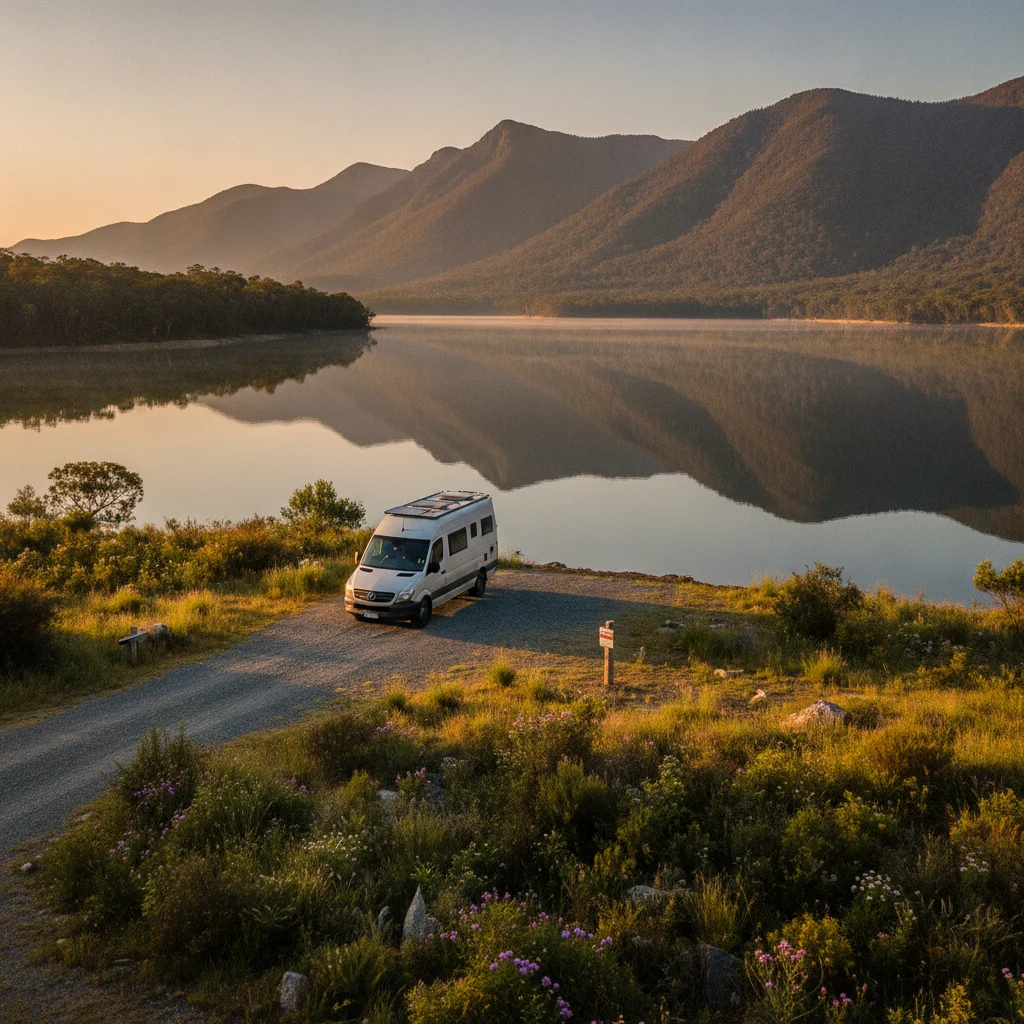
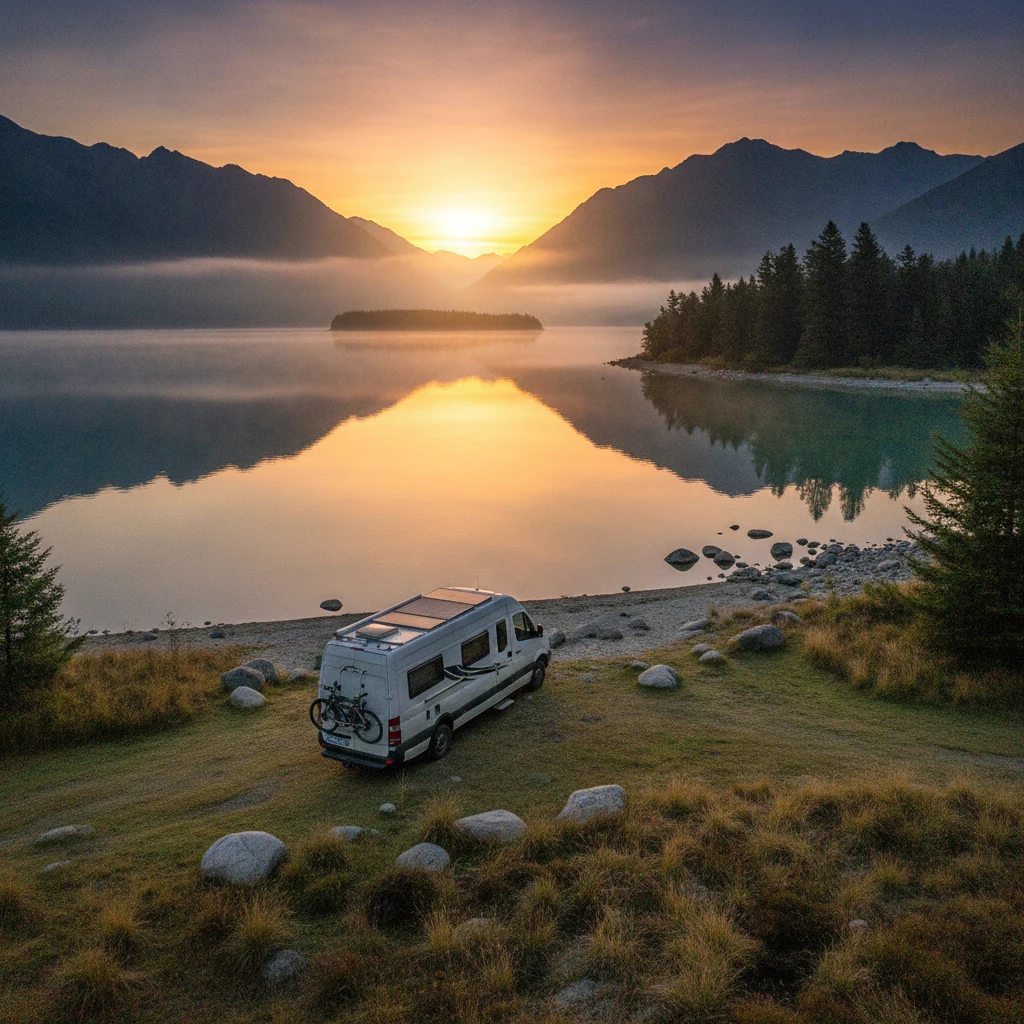
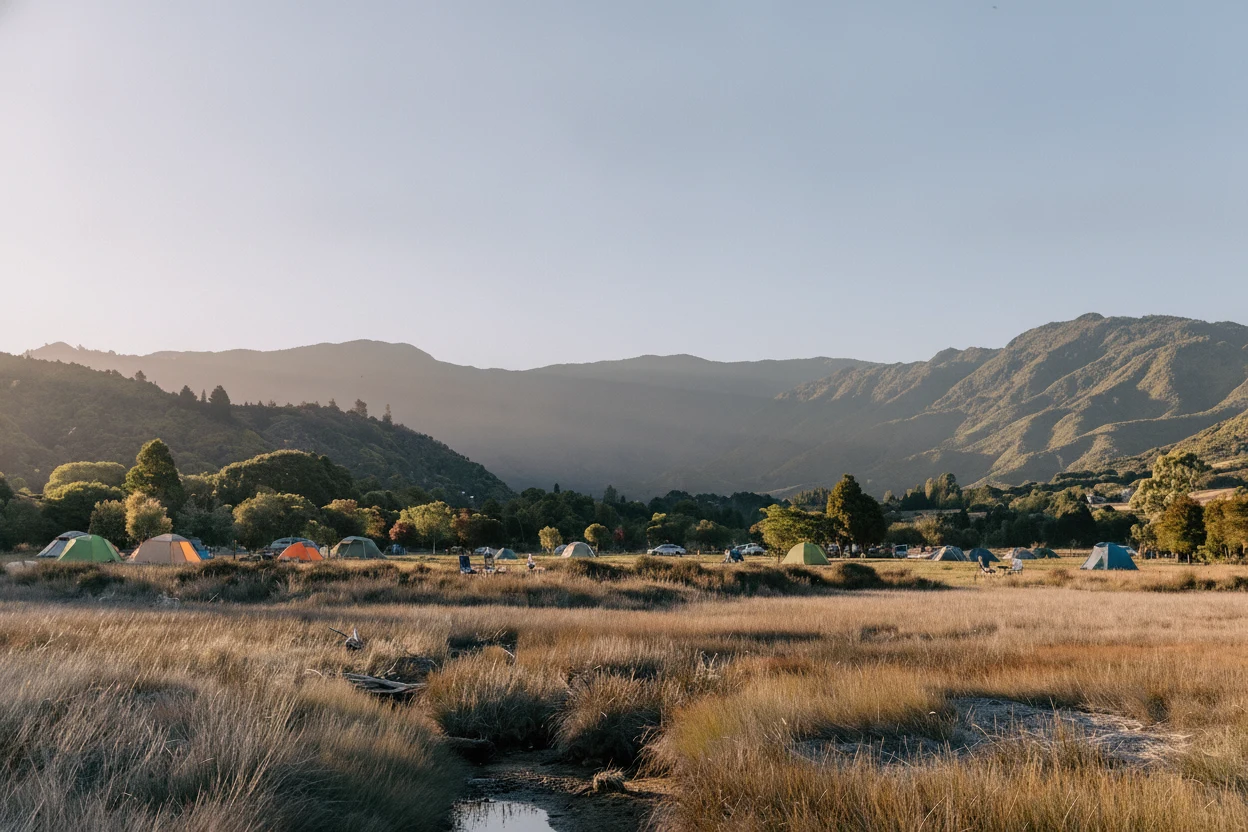
To enjoy the ultimate freedom of the road without worrying about compliance, you need a vehicle designed to meet the latest freedom camping rules. At Rent-A-Camper, we spent years refining our fleet to ensure our customers can travel without stress.
When my mate Hamish and I first started exploring the South Island, we realized how much a well-designed van matters. We didn't want cheap pallet wood or smelly mattresses. We wanted comfort, privacy, and absolute legality. That is why our modern fleet is fully certified under the new Green Warrant standards:
- The Koru: A compact, beautifully designed option perfect for couples who want agility and full self-containment.
- The Aoraki: A spacious, robust campervan built to handle the winding roads of the Southern Alps with ease.
- The Alpine: Our premium model, offering top-tier comfort, exceptional insulation, and complete compliance with the 2025 standards.
If you want to read more about how we built our custom fleet to solve these exact compliance issues, check out The Campervan I Wish I Had. If you are planning your route, our 10 Days in New Zealand Road Trip Itinerary is the perfect place to start. For real-world feedback from travelers who have navigated these roads, read Before You Hire a Campervan in New Zealand.
Responsible Camping: Leave No Trace
Ultimately, staying legal is about respect. New Zealanders are incredibly proud of their country, and we love sharing it with travelers from around the world. All we ask is that you treat our home with care. Always use designated dump stations for your greywater and sewage, dispose of your rubbish in proper bins, and respect the wildlife. By choosing a compliant campervan and following the local guidelines, you can enjoy the road trip of a lifetime while keeping New Zealand beautiful for generations to come.
Browse our range of fully certified campervans today and start planning your perfect Kiwi adventure!
Safe travels and respect the land.
– The Rent-A-Camper Team
Frequently Asked Questions
What changes to freedom camping regulations take effect in 2025?
- By mid-2025, the transition to the new self-containment regulations is complete. The older blue warrant system is phased out, and all freedom-camping vehicles on local council land must display the new Green Warrant, which requires a permanently fixed toilet.
Which zones in New Zealand prohibit freedom camping?
- Many high-density tourist areas, including central Queenstown, Wanaka, and specific coastal areas in the North Island, strictly prohibit freedom camping. You must check local council bylaws or use verified resources like freedomcamping.org to find permitted zones.
Is a certified self-contained campervan mandatory for all freedom camping?
- Yes, under the updated laws, you must have a certified self-contained vehicle displaying a Green Warrant to freedom camp on most public council lands. Non-self-contained vehicles are restricted to commercial holiday parks or DOC campsites with public toilet facilities.
How much is the penalty for freedom camping in a non-designated area?
- The standard fine for illegal freedom camping or violating local bylaws is $400. More serious offences, such as displaying a fraudulent self-containment warrant, can result in fines up to $800 or more (official penalty guidance).
Can you freedom camp anywhere outside designated holiday parks in NZ?
- No. You can only freedom camp on public land that is specifically designated as permitted by local councils or the Department of Conservation. Many areas are strictly off-limits to protect local ecosystems and communities.
Ready to see it for yourself? Check van availability and pick your dates — and if you would rather follow a route that is already mapped out, our 7-day South Island loop guide sets it out day by day.
