
To experience genuine sustainable travel New Zealand, you need a vehicle designed to minimise your environmental footprint while keeping you close to nature. The Aoraki campervan is the ultimate eco-friendly choice because it pairs a certified self-contained waste system with a powerful solar panel setup, allowing you to camp off-grid without relying on fossil-fuel generators or heavy infrastructure. By choosing a modern, fuel-efficient campervan like the Aoraki, you naturally reduce your carbon footprint, support local communities, and protect New Zealand’s fragile ecosystems. Let’s look at how this van changes the way we explore.
As a local who has spent years exploring the backroads of both the North and South Islands, I have seen firsthand how tourism can shape our landscapes. There is nothing quite like waking up to the dawn chorus of tui and bellbirds in a quiet nook of Fiordland, or watching the morning mist rise off Lake Tekapo. But with that privilege comes a deep responsibility. The choices we make on the road—from how we manage our waste to the way we power our appliances—directly impact the future of these wild places. That is why choosing the right vehicle is more than just a matter of comfort; it is an ecological decision.
What Is Low-Impact Camping in New Zealand?
In New Zealand, the concept of low-impact camping is deeply intertwined with Kaitiakitanga—the Māori concept of guardianship and protection of the sky, sea, and land. According to the Department of Conservation (doc.govt.nz), low impact camping New Zealand is defined by leaving absolutely no trace of your presence. It means that when you pack up your campsite, the next person should have no idea you were ever there.
To be a truly low-impact traveller, you must consider everything you bring into the environment. This includes managing your grey water, using biodegradable soaps, and strictly adhering to biosecurity guidelines. Biosecurity is a major focus for our island nation; the Ministry for Primary Industries urges all travellers to clean camping equipment thoroughly to prevent the spread of invasive pests like didymo (an invasive freshwater alga) between our pristine alpine rivers.
When you practice leave no trace New Zealand principles, you are not just following rules; you are actively keeping our ecosystems safe. This means keeping detergents, toothpaste, and food scraps out of freshwater streams, disposing of waste only at designated facilities, and respecting local wildlife by keeping a safe, quiet distance.
Why Choose a Campervan Over Massive Hotel Infrastructure?
When planning a holiday, it is easy to overlook the carbon footprint of where you sleep. Traditional tourism often relies heavily on large-scale hotel developments. These massive structures require significant land clearing, concrete construction, and continuous high-energy consumption for heating, cooling, and laundry services. Often, these hotels are concentrated in tourist hotspots, contributing to overtourism and straining municipal infrastructure.
By contrast, travelling in a compact campervan allows you to move gently through the country. Instead of demanding new concrete builds in pristine areas, you utilize existing low-impact campsites, such as the wonderful conservation campsites managed by the Department of Conservation (DOC).
Furthermore, campervan travel encourages slow tourism. When you have your kitchen, bed, and living space with you, you are less inclined to rush from one major town to another just to find a room. You can take your time, stay longer in regional areas, and purchase fresh produce from local farm stalls. This distributes tourist dollars directly to small, rural communities that might otherwise be bypassed by major tour buses.
Self-contained
A Compelte Sustainable unit
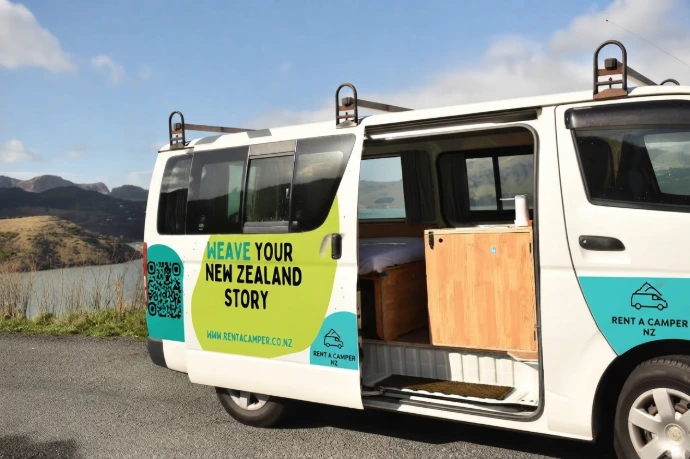
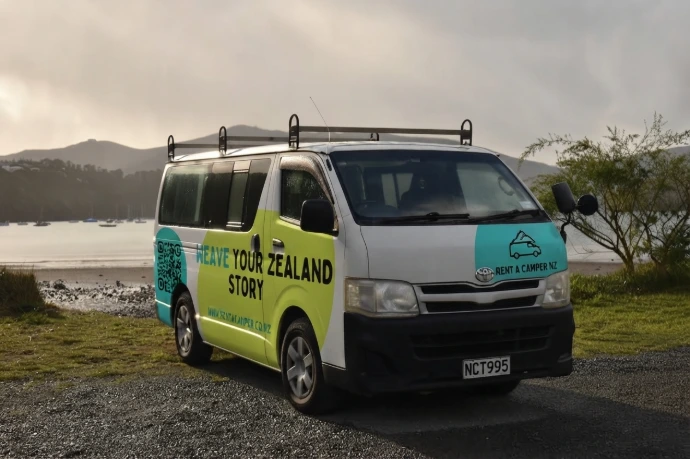
+
Marking the difference
How the Aoraki Campervan Redefines Sustainable Travel New Zealand
When we designed our fleet, we knew we wanted to build something different. We wanted a vehicle that felt like a home on the road but treaded lightly on the earth. In The Campervan I Wish I Had, we shared our philosophy of building smart, efficient, and highly functional campervans. The Aoraki is the pinnacle of that vision.
Unlike heavy, fuel-guzzling larger vehicles, the Aoraki is built on a modern, fuel-efficient chassis. This significantly reduces your transport emissions while navigating the winding passes of the Southern Alps or the rolling hills of the Waikato. But the real magic lies in its off-grid capabilities.
Ready to hit the road?
Tell us when — we'll show you what's free and exactly what it costs.
The Aoraki features a state-of-the-art campervan solar system. This high-capacity solar panel setup continuously charges the on-board deep-cycle house batteries during the day. This means you can run your LED lighting, keep your fridge cold, and charge your cameras and phones without ever needing to idle the engine or plug into a mains power source at a crowded holiday park. It is clean, silent, renewable energy that allows you to enjoy the wilderness without disrupting it.
"Kaitiakitanga is not just a word; it is a way of moving through the world. When we travel, we must remember we are guests in nature's home, and we must behave accordingly."
Leave No Trace: Practical Tips for Your Road Trip
Embracing responsible freedom camping New Zealand means understanding how to manage your resources on the go. The Aoraki is fully certified self-contained under the latest regulations, meaning it has onboard holding tanks for both fresh and grey water, as well as a reliable toilet system. But having the gear is only half the battle; you also need to know how to use it responsibly.
- Master Campervan Waste Disposal: Never, under any circumstances, empty your grey water or toilet waste on the ground or near waterways. Always use dedicated dump stations. You can find these easily across the country via freedomcamping.org.
- Use Biodegradable Soap: Even when washing dishes inside the campervan, using a biodegradable soap camping product ensures that when you eventually empty your grey water at a dump station, the environmental impact is minimised.
- Reduce Single-Use Plastics: The Aoraki comes equipped with reusable plates, cups, and utensils. Take advantage of this by shopping at local farmer's markets and using reusable beeswax wraps or containers for your road trip snacks.
Honest Facts About New Zealand’s Environmental Regulations
At Rent-A-Camper, we believe in honest travel. We will never greenwash or pretend that driving a campervan has zero environmental impact. Any vehicle on the road produces carbon emissions. However, by choosing a highly efficient, modern campervan like the Aoraki and adopting thoughtful driving habits, you can dramatically lower your travel footprint.
New Zealand has strict environmental laws to protect its unique biodiversity. In response to growing pressure on our natural sites, the government introduced updated Freedom Camping Rules in NZ. These regulations require vehicles to meet strict self-containment certification standards to camp on public conservation land. The Aoraki meets all these green-warrant requirements, ensuring you stay legal and welcome wherever you park.
To offset your road trip's carbon footprint, we recommend planning your route carefully to avoid unnecessary backtracking. For instance, our carefully curated 7-Day South Island Grand Loop and our comprehensive 10 Days in New Zealand itinerary are designed to maximise your experience while minimising fuel consumption and travel time.
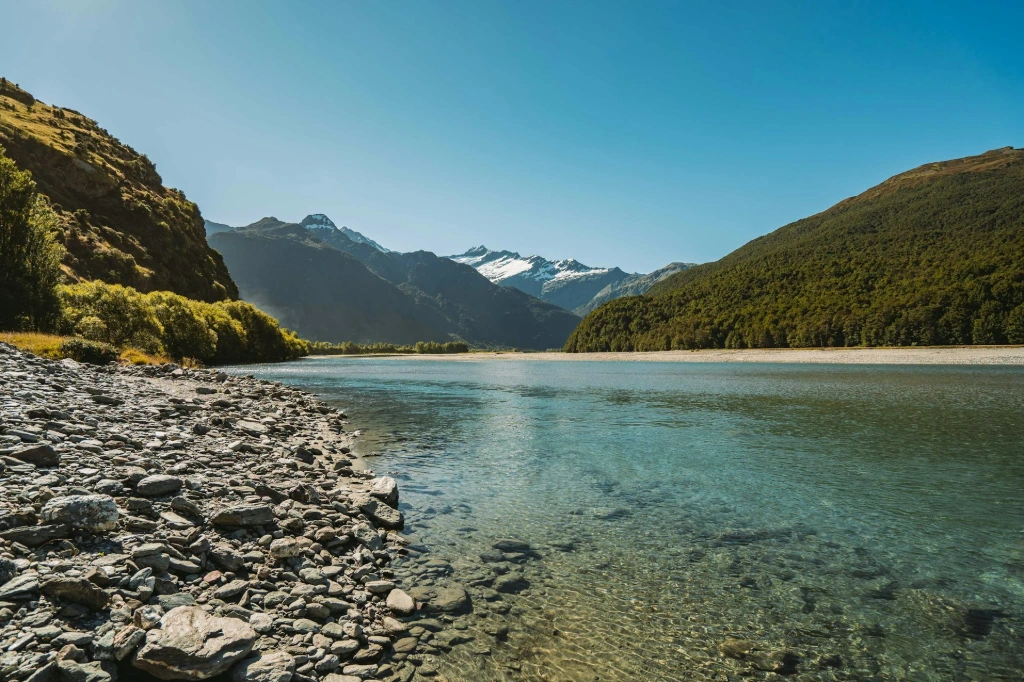
To experience genuine sustainable travel New Zealand , you need a vehicle designed to minimise your environmental footprint while keeping you close to nature.
What does sustainable tourism mean for New Zealand?
In New Zealand, sustainable tourism means preserving our unique natural environment, respecting indigenous Māori culture, and ensuring that tourism economically benefits local communities without degrading the landscapes they rely on. It is about leaving the country in a better state for future generations.
How can I find eco-friendly places to stay in New Zealand?
Look for accommodation and camp providers that hold a Qualmark 'Sustainable Tourism Business' award or camp at Department of Conservation (DOC) campsites. DOC campsites have minimal infrastructure and focus on preserving the natural surroundings while providing low-impact waste facilities.
Is traveling sustainably in New Zealand expensive?
Not at all. In fact, sustainable travel often saves money. By cooking your own meals in the Aoraki, staying at budget-friendly DOC campsites, utilizing solar power instead of paying for powered caravan sites every night, and driving efficiently, you can significantly lower your trip costs.
What are the best ways to lower my carbon footprint while exploring New Zealand?
Drive at steady, moderate speeds, avoid carrying unnecessary heavy gear, stay longer in each destination rather than rushing across the country, and choose a campervan with a solar power system to reduce reliance on grid electricity and fossil fuels.
Are there local tour operators that focus on sustainability in New Zealand?
Yes, many operators are deeply committed to conservation. Look for operators certified by Qualmark or those who actively contribute to local pest-eradication and tree-planting programmes. Supporting these businesses ensures your money directly funds local ecological restoration.
Choosing the Aoraki for your New Zealand adventure is a step toward a more conscious, respectful way of travelling. It allows you to immerse yourself deeply in our wild places while ensuring they remain wild for those who follow.
Safe travels, and we look forward to seeing you out on the road.
Warmly,
Sam
Rent-A-Camper New Zealand Team
Ready to see it for yourself? Check van availability and pick your dates.
